Video Installation, 8 min 43 sec
“Solitary Market” Group Exhibition
Joshibi University of Art and Design Open Campus
2023/06/16-17
When I talked about the experience during the pandemic with my two friends, we concluded the past three years have been marked by various facets of solitude for each of us. When the pandemic began, I had just arrived in Tokyo and was adapting to a new environment, but found myself forced into isolation. I deactivated all my social media accounts, compounding involuntary solitude with a self-imposed one. During Japan’s most severe lockdown, supermarkets became almost the only businesses allowed to operate and sole gathering places within social distance. By exploring the concept of urban solitude, we sought to delve into the most fundamental and indispensable spaces of the city: supermarkets. They represented the last tangible connection to the outside society during solitary times. This prompted the three of us to curate the exhibition “Solitary Market.”
From our unique perspectives, we observed the supermarkets in our respective neighborhoods and created artworks based on our findings. In the age of urban convenience, traditional markets and specialized shops have largely been replaced by large supermarkets. Japanese supermarkets, in particular, offer a wide range of ready-to-eat meals and pre-prepared foods, catering to single-person households. People simply select items, place them in their baskets, and pay without uttering one word. This shared non-space allows individuals to coexist without forming relationships. Did the demand for solitude drive the growth of the consumer economy, or has the consumer economy fostered modern loneliness?
This non-relational dynamic drives me to do this performance. I observed customers in my local supermarket, looking for individuals who appeared to be living alone. I purchased the same items they did and prepared a dinner that I imagined they might eat, then eat it alone. My one-sided assumptions about these strangers were a solitary endeavor, projecting my own judgments onto them. Viewers of the video record, in turn, can challenge or build upon my interpretations, revealing the reflexive nature of observing others.
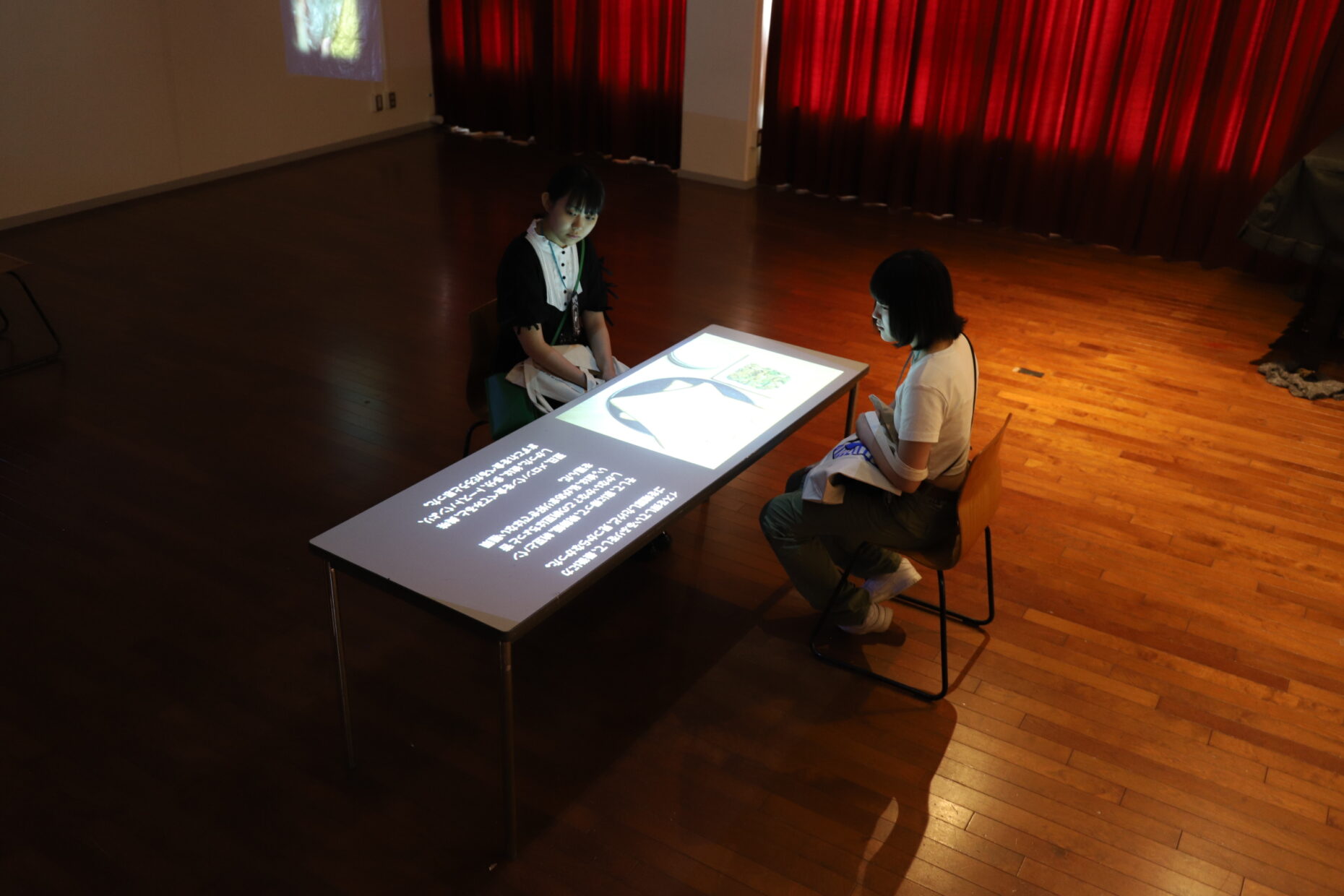
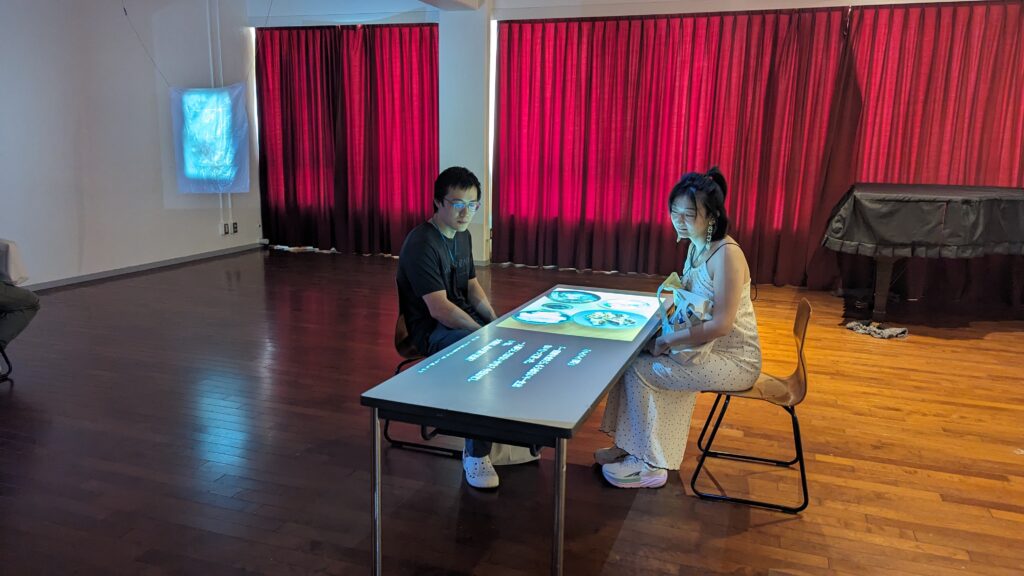
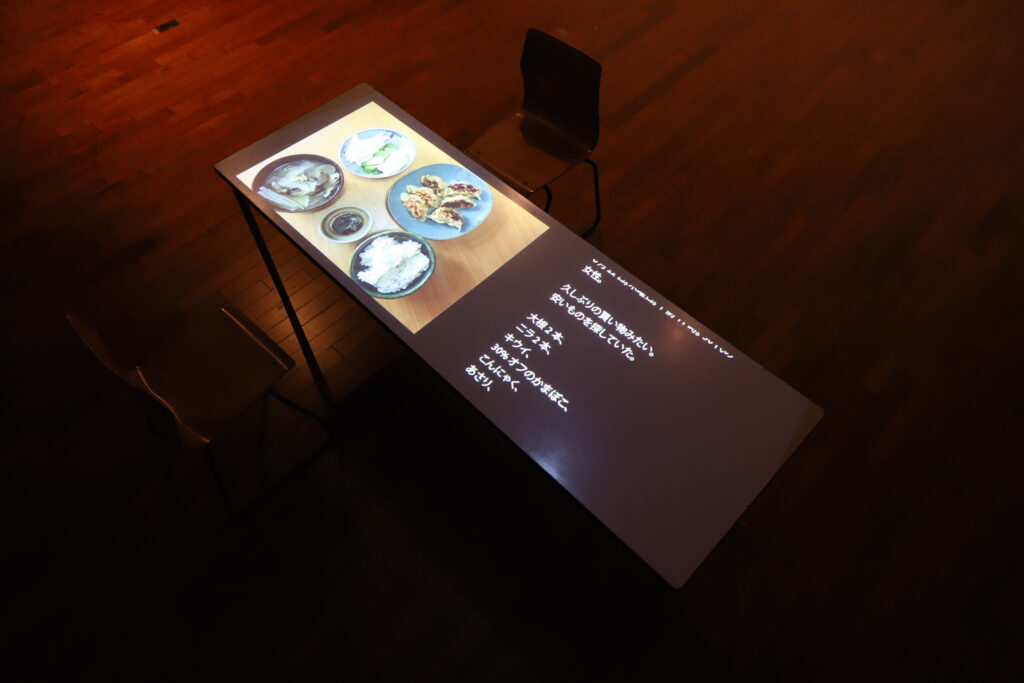
The video consists of photographs of seven dinners accompanied by a voiceover of my cooking diary. During the exhibition, the video is projected onto a dinner table with two seats facing each other. Viewers are invited to sit down in front of the images of the dinners as if they are confronting a solo dinner.
企画展のテーマを話し合っていた時、私たち3人は過去3年間、それぞれ異なる側面から「孤独」を経験していたことに気づきました。パンデミックが始まった頃、私は東京に来たばかりで、新しい環境に順応すべき時期に、強制的に孤立させられました。私はいっそのことすべてのSNSアカウントを閉じ、強いられた孤独に自ら選択した孤独を重ね合わせ、その状況に没入していきました。日本で感染状況が最も深刻だった数ヶ月間、外出自粛が求められる中、ソーシャルディスタンスを保ちながら人々が集まることができ、政府がほぼ唯一営業を許可していた場所が「スーパーマーケット」でした。スーパーは、孤独な時間において外界とリアルに接触できるわずかに残された接点だったのです。そこで私たちは、「単独マーケット(Solitary Market)」という展覧会を企画しました。それぞれの独自の視点から、自分の住む地域のスーパーマーケットを観察し、作品を制作することにしたのです。
都市で暮らす人々の「孤独」とは何かを探求するにあたり、都市における最も基本的で不可欠な生活空間に触れ、そこから発見し、提示し、共感を呼び起こしたいと考えました。大都市の生活が便利になるにつれ、かつての市場や八百屋、肉屋、惣菜屋は、ほぼすべて大型スーパーに取って代わられました。日本のスーパーは特に便利で、一人暮らしの人に向けて多種多様な惣菜や半調理品を提供しています。誰もが毎日、ただ淡々と商品を選び、買い物かごに入れ、無言で会計を済ませます。スーパーマーケットという「非場所(non-space)」では、そこに留まる人々が時間や空間、出来事を共有しながらも、関係性を結ぶ必要がありません。孤独への欲求が商品経済の発展を推し進めたのか、それとも商品経済が現代人の孤独感を助長したのでしょうか?
このような「非関係性」のダイナミクスが、このパフォーマンスの観察方法を導き出しました。私は自宅近くのスーパーで客の買い物行動を観察し、一人暮らしと思われる人を探しました。そして、その人が買うものを観察し、自分も全く同じ食材を買って帰り、その人が食べるであろう夕食を想像して作り、私自身も一人でそれを食べました。見知らぬ観察対象に対する私の一方的な想像は、孤独な営みでもあり、勝手に自己の判断を投影する行為でもありました。一方で、この映像の鑑賞者は、私の推測や判断を覆すことも、あるいは私自身に対して推測や判断を下すこともできます。他者に対する一方方向の観察は、実は「自己への観察」でもあるのです。
映像作品(8分43秒)は、7回分の夕食の写真に、私が料理日記を朗読したモノローグを合わせたものです。展示空間では、夕食の映像が投影されたテーブルの前に、鑑賞者が向かい合って2名まで座ることができます。まるで、誰かの(あるいは自分自身の)一人の夕食と対峙するかのように。
策划展览主题的时候,对于我们三人来说,过去的三年都体验过不同面相的孤独。新冠开始时,我刚到日本东京,面临新环境的适应期,却不得不独处。我索性关闭了所有社交账号,在被迫的孤独中,又加入了自我选择的孤独,沉浸其中。在日本新冠最严重的几个月中,我们被要求居家限制外出,人唯一可以聚集的地方,也是日本政府几乎唯一允许营业的地方,就是 “超市”。超市是与外界真实接触中仅存的一部分。于是我们决定了这个【单独市场】的策展主题。我们从每个人独特的视角出发,观察了我们各自社区附近的超市,并各自创作了参展作品。
当我们希望探究城市人的孤独是什么时,我们希望能够触及到城市中最基本的、不可或缺的生活场所,从中发现、展示和引发共鸣。在大城市生活变得便利化之后,以前的市场、蔬菜水果店、肉店和熟食店几乎都被大型超市所取代。日本的超市尤其方便,为独自一人生活的人提供多种便利的熟食,半成品。每个人每天都在简单地挑选商品、拿起放在购物篮,并一声不吭地付款。超市的这个空间,在其中停留的人共享了时间空间事件,却不需要发生关系。是孤独的需求推动了商品经济的发展,还是商品经济促进了现代人的孤独感?
这样的非关系促成了这个作品的观察方式。我在家附近的超市观察超市中客人买东西的行为,寻找看起来是独自生活的人,观察TA买什么,自己也买一样的食材带回家,做一顿我想象中那个人会吃的饭,然后自己一个人吃掉。我对观察对象的一厢情愿的猜想,也是一种孤独的努力,擅自投射了自我的判断。而观看的人也可以推翻我的判断猜想,或者对我进行猜想判断。对他人的单向的观察其实是对自我的观察。
影像作品是将7顿晚餐的照片配上作者独白口述的做饭日记,作品展示时,参观者可以最多两人对面坐在投影了晚餐的桌子边。