
Zhengyi- Right To Remember
Installation
Concrete, silk thread, bee wax, speaker, mirror, bucket, clock, foam, leaf, paper
540*360*330 cm
2026/03/07-2026/03/14 (3/12,13 closed)
Joshibi Art and Design University Suginami Campus 110 Hall
日本語/English Below
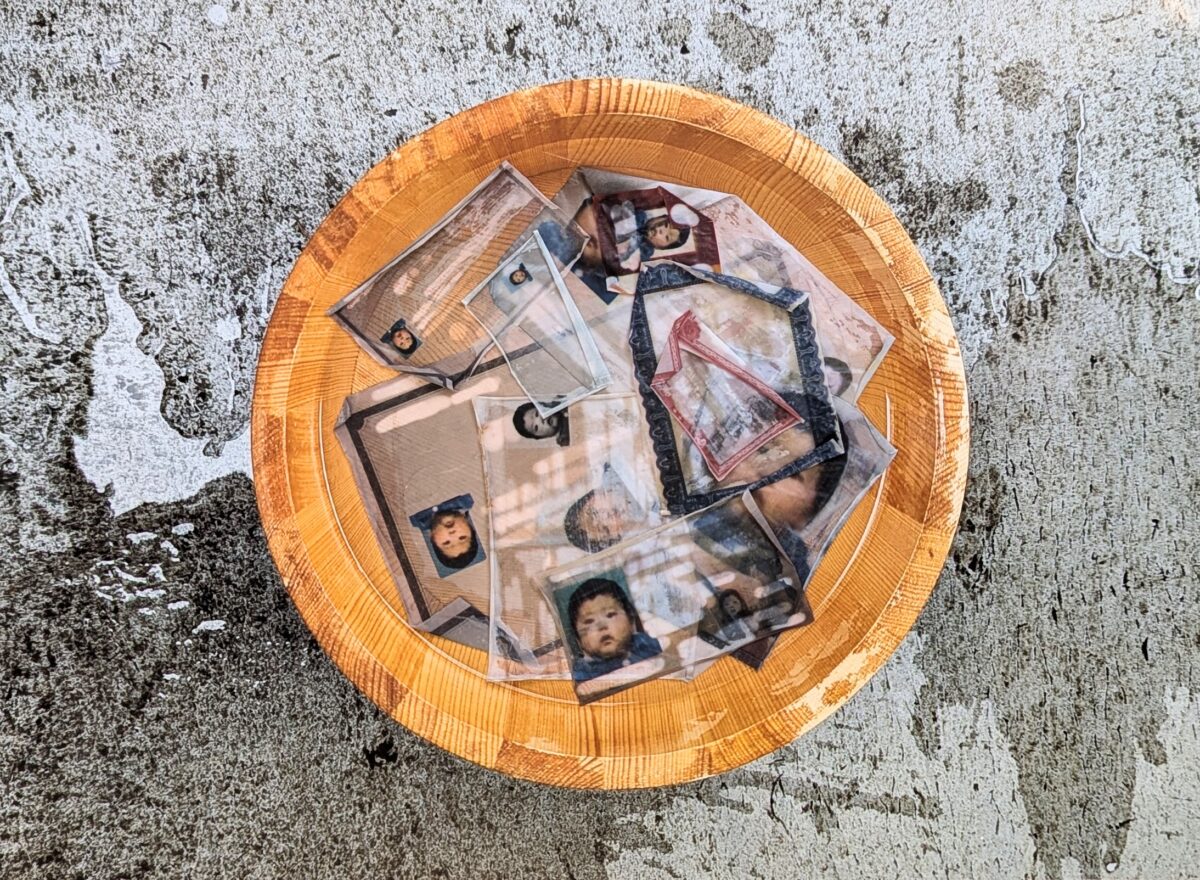
本作品试图将被隐匿的生命能量具象化于物理空间之中。其创作背景源于家族中“三代女性的压抑传承”。 16岁的外婆在政治运动中失去父亲,被迫辍学成婚,那种剧痛被封锁在时代的沉默之中。母亲自幼被寄养,18岁时在宗教中寻求“救赎”,找到一种“自洽”来解释并应对现实。而我反抗母亲的宗教世界观试图证明自己。我身处她们无法想象的现代生活图景中,曾长期回避那些代际的伤痛。直到近年,我才开始通过残留的家族记忆碎片和历史叙述的缝隙,去“猜测”并试图重构她们的经历与情感。
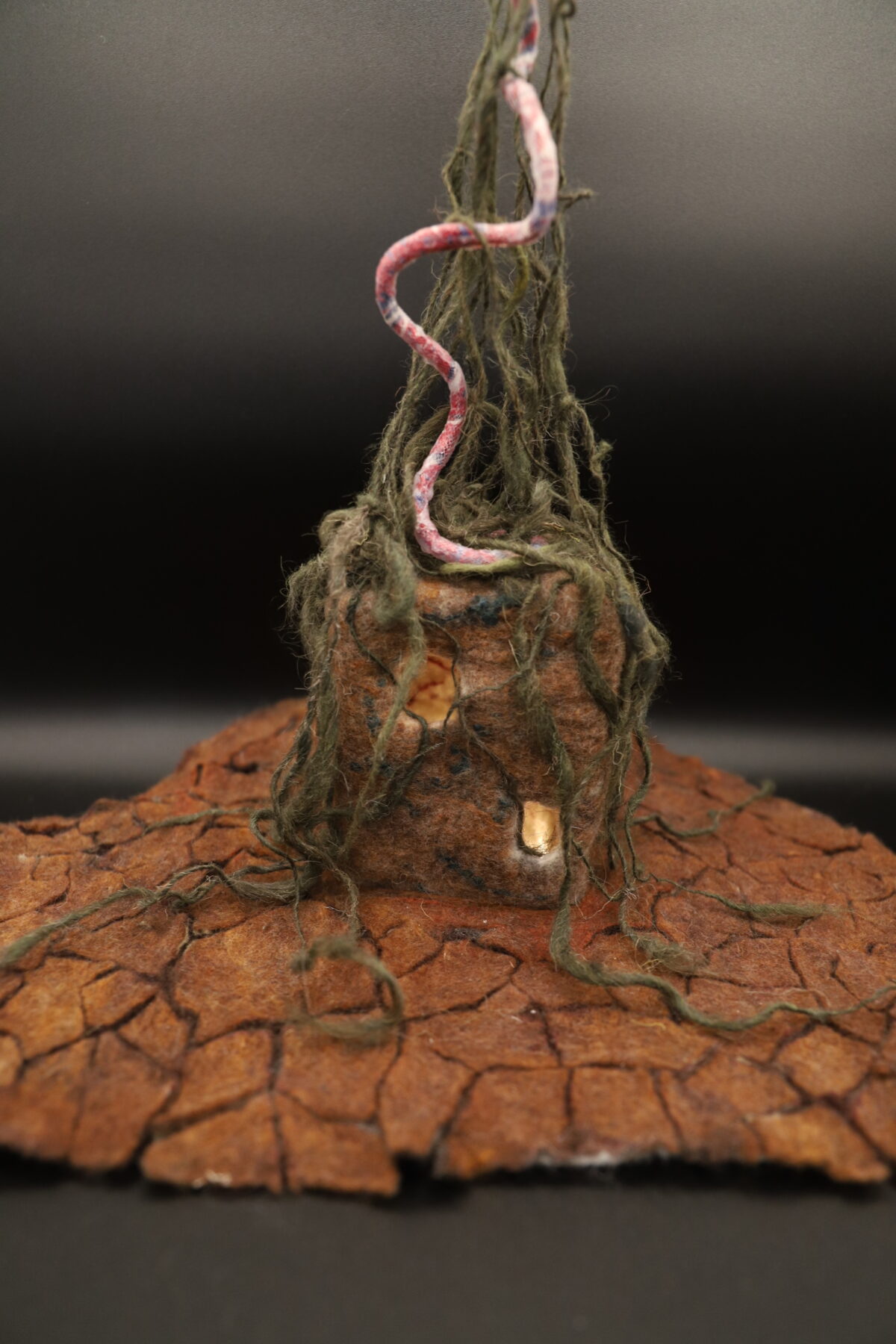
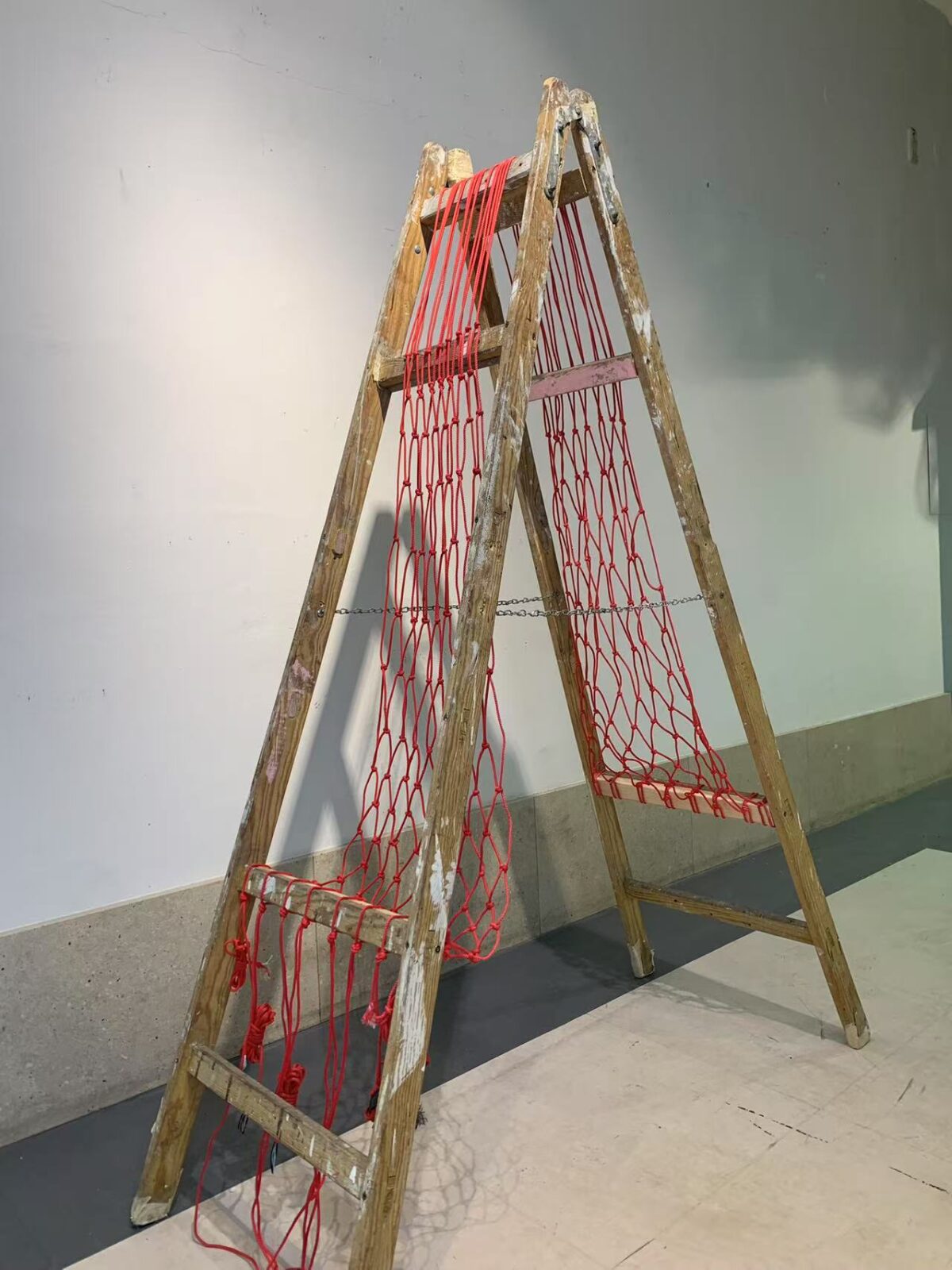
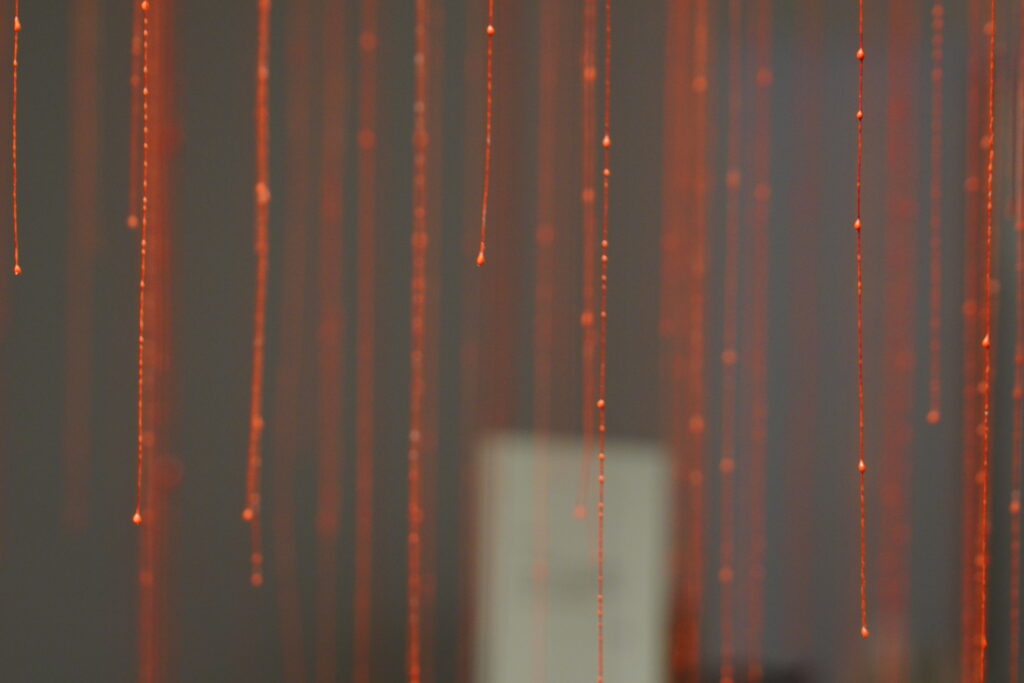
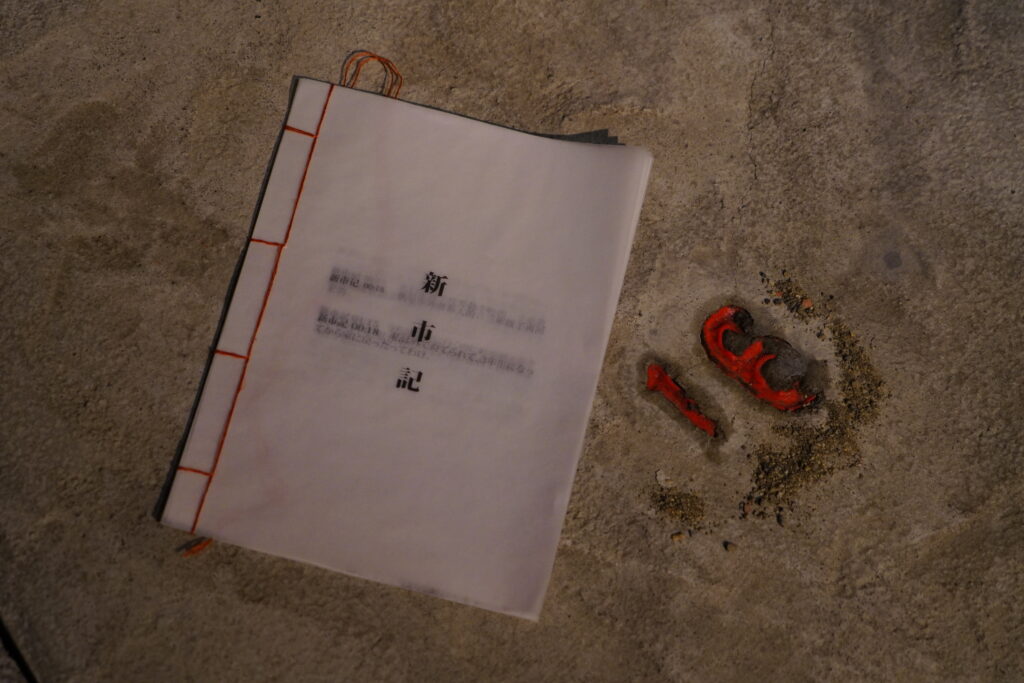
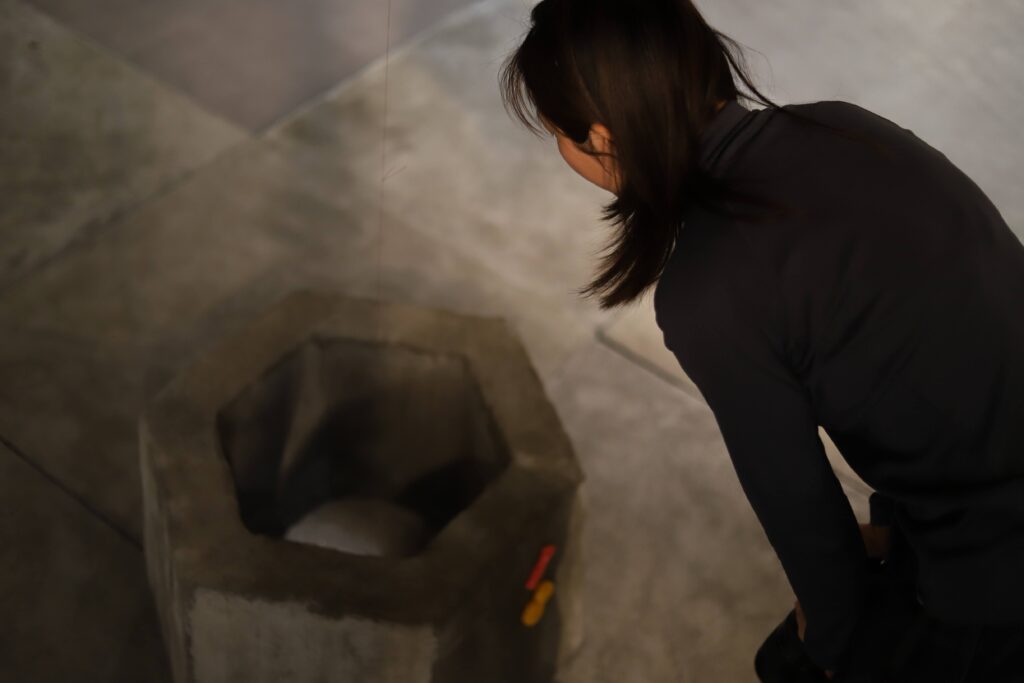
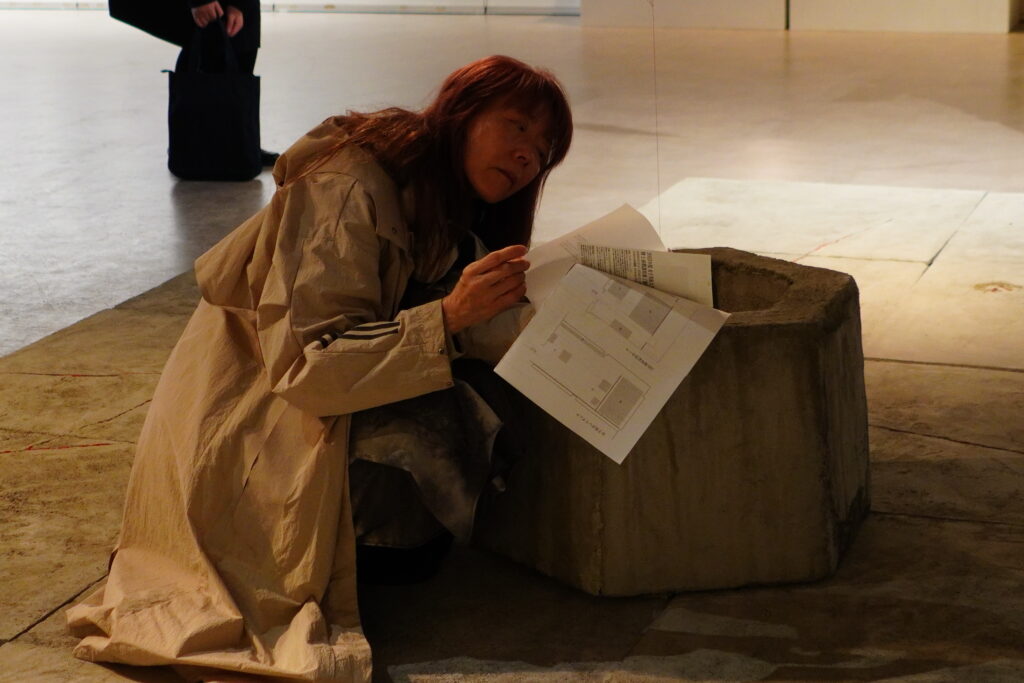
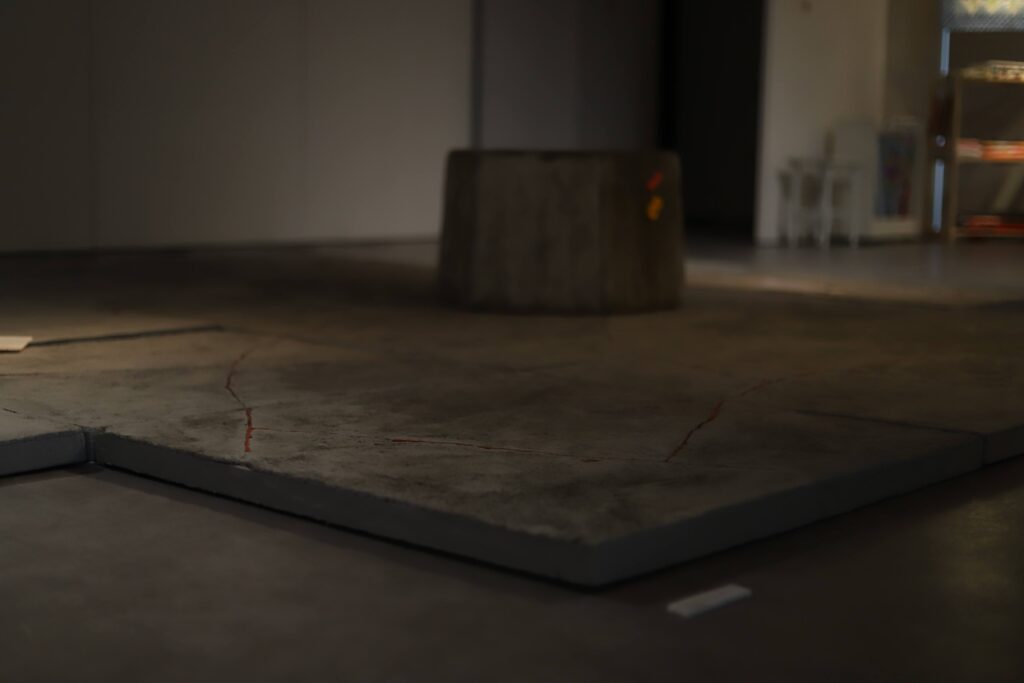
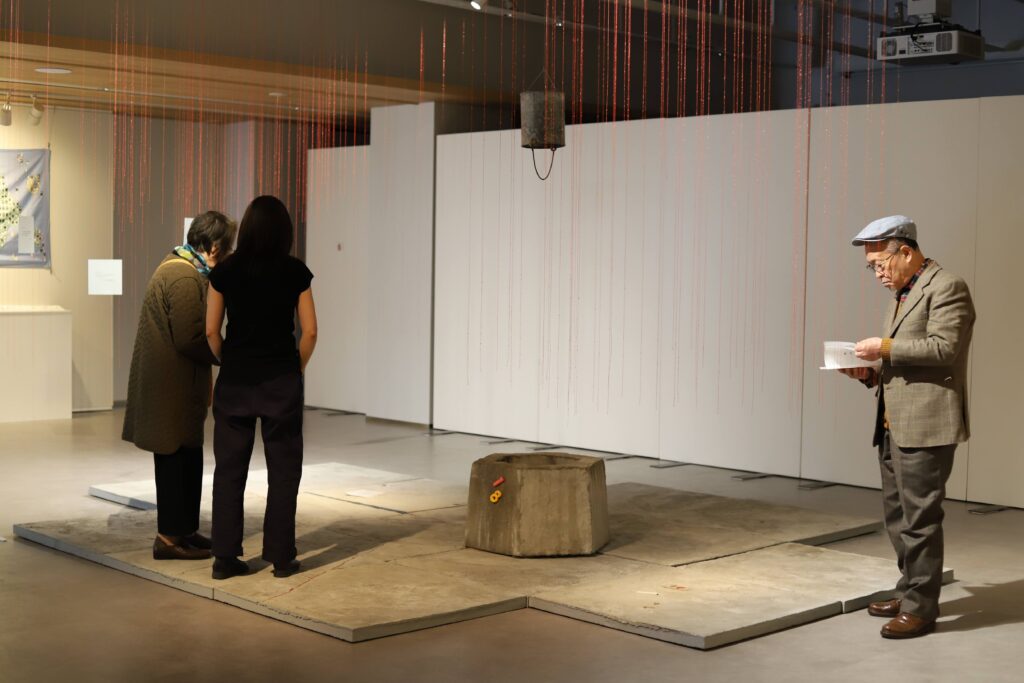
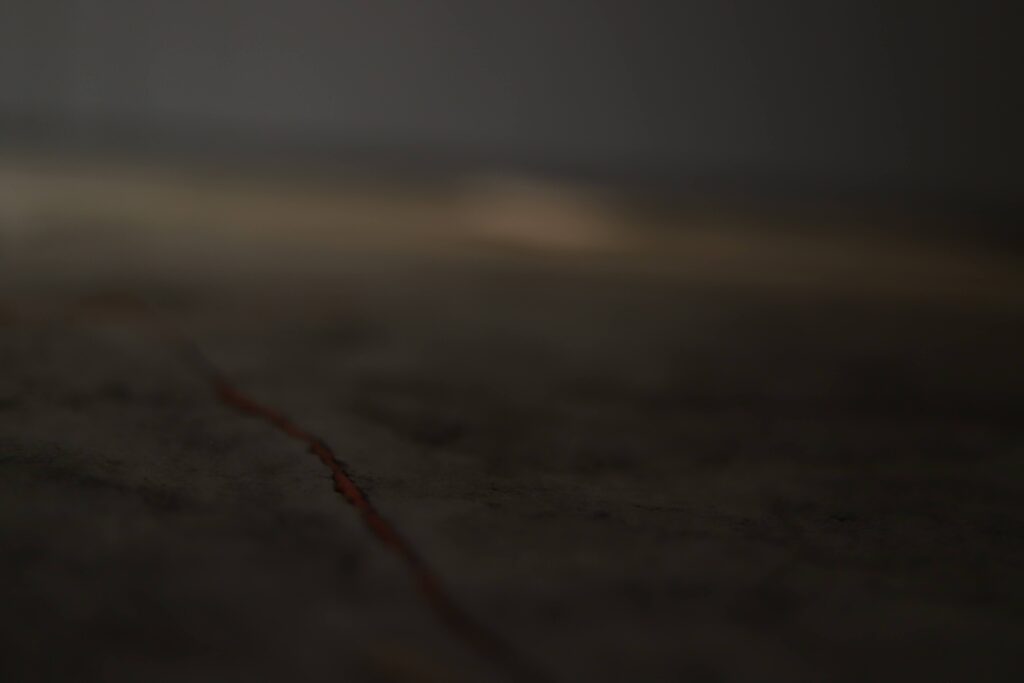
我将外婆院落的水泥地和水井的记忆进行了物质化再现并和隐喻意象重叠。我选择笨拙地用水泥铺满一个15平米的空间。这层厚重、标准化的工业材料,就像那个时代开始无处不在的“正确”与“秩序”,掩盖了一个个体的生活。 观众进入这个空间,首先感受到的是冷酷的平庸。然而,在水泥地的缝隙之中,凝固着鲜艳的朱色蜂蜡。它是雌性工蜂为筑巢而耗尽身体分泌的物质,是地下被压抑的女性生命力的隐喻。观众的视线会被引到传出微小声音的井中,看向记忆的深处-历史的入口,那根母亲四十年前在工厂做工时留下的日式腰带蚕丝线。这种被阻断羽化、以生命为代价抽取出来的丝线,象征着建立在个人牺牲之上的家族连续性。它又是从外婆到母亲、再延伸至我的无法逃离的“血脉”。
作家龙应台曾说:“用个人记忆的汇流来抵抗宏大叙事。” 本作品正是这一理念的实践。我将那些从正统历史叙述中被抹去的“女性创伤”,结晶为一个具体的“记忆之场”。 即便是基于转述的、不完整的记忆,其铭记的意志本身就具有力量。作品超越了单纯的家族史,成为了所有被沉默的个人历史的诉说。[正忆]是我十几岁的时候给自己取的名字,现在也正是一场[记忆正义]的行动。
This installation materializes concealed vital energy within physical space, emerging from my investigation into the intergenerational transmission of oppression among three generations of women in my family.
My grandmother, aged sixteen, lost her father during a political movement, was forced to discontinue her education and enter marriage. That acute pain remained sealed within the silence of her era. My mother, sent away from her own mother in early childhood, sought “redemption” in religion at eighteen, developing a self-justifying framework to negotiate brutal realities. I, attempting to prove myself by resisting my mother’s religious worldview, inhabited a modern existence unimaginable to them—long avoiding these intergenerational traumas. Only in recent years have I begun “speculating” and attempting to reconstruct their experiences and emotions through remnants of familial memory and fissures in historical narrative.
I materially reconstructed the concrete floor and well from my grandmother’s courtyard, superimposing metaphorical imagery. I deliberately chose the laborious process of covering a 15-square-meter space with concrete. This thick, standardized industrial material—like the ubiquitous “correctness” and “order” proliferating from that era—obscures individual existence.
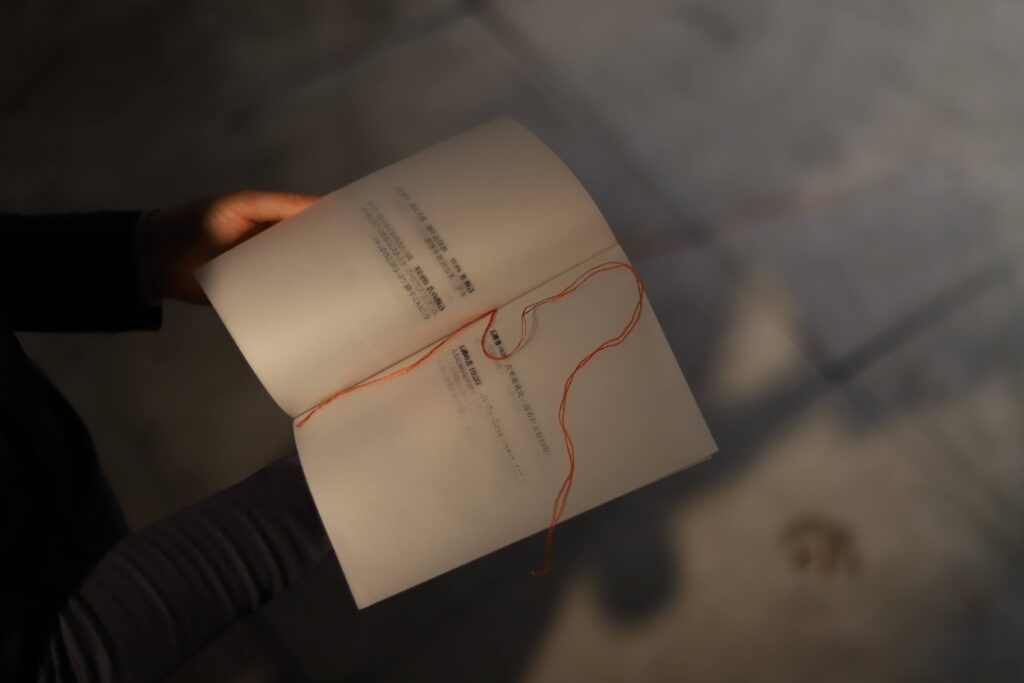
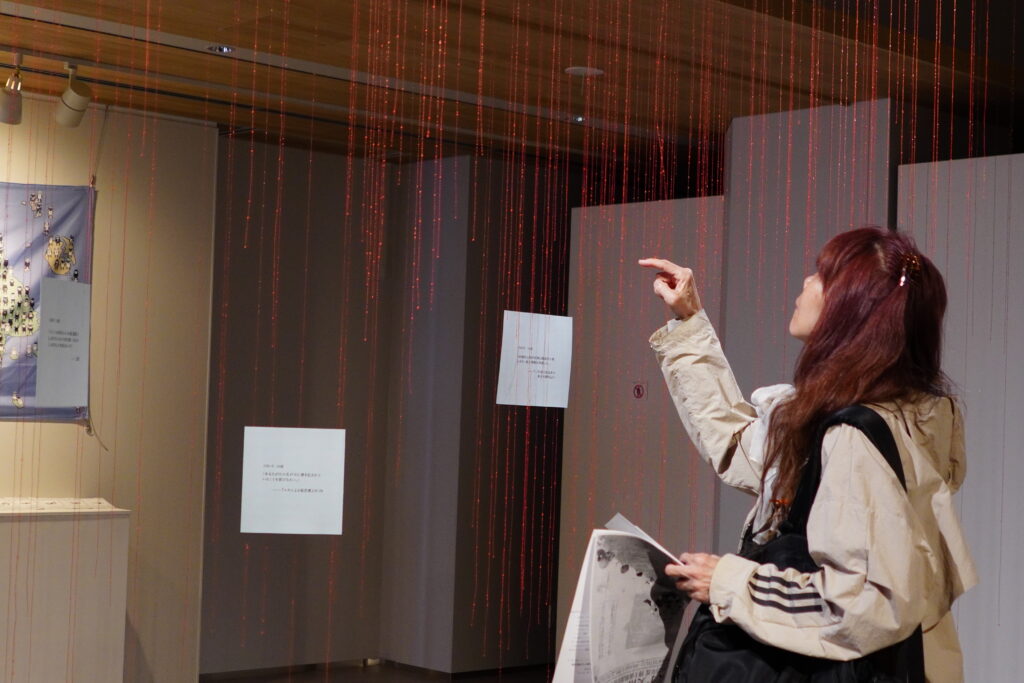
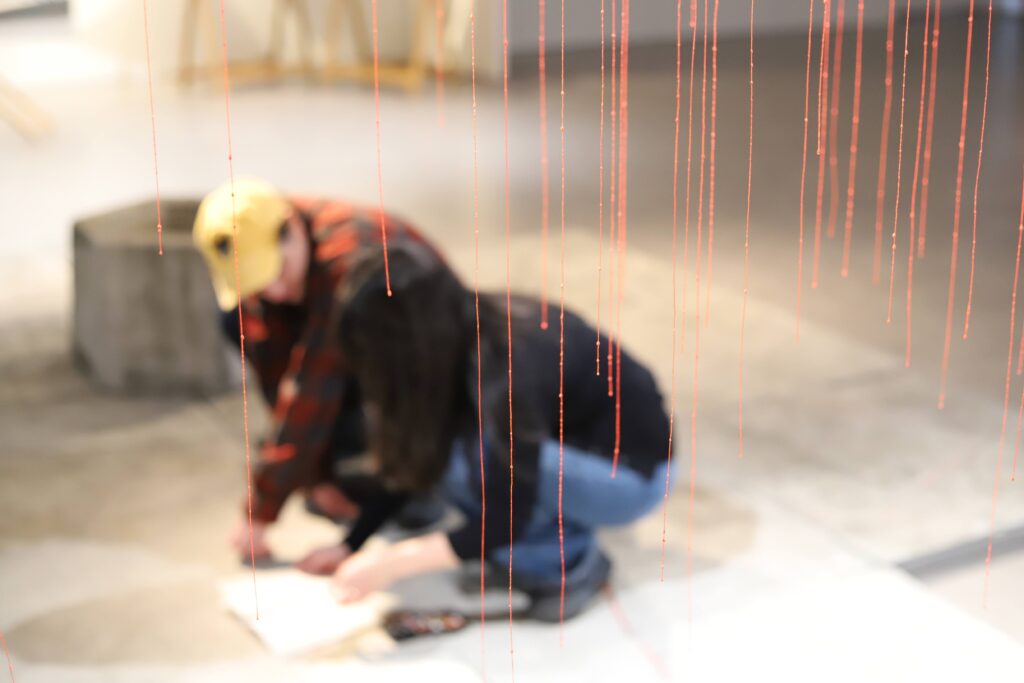
Entering this space, viewers initially encounter cold mediocrity. However, vivid crimson beeswax solidifies within the concrete’s crevices. Secreted by female worker bees expending their bodies to construct hives, it serves as a metaphor for suppressed feminine vitality buried underground. Viewers’ attention is drawn toward subtle sounds emanating from the well—looking into memory’s abyss, history’s threshold—where hangs a silk thread from the Japanese obi my mother wove in a Chinese factory forty years prior. This thread, extracted at life’s expense while preventing metamorphosis, symbolizes familial continuity predicated upon individual sacrifice. Simultaneously, it represents the inescapable “bloodline” extending from grandmother through mother to myself.
Writer Lung Ying-tai stated: “Resist grand narratives through the confluence of personal memories.” This work practices precisely that principle. I crystallize “women’s wounds”—erased from orthodox historical discourse—into a concrete “lieu de mémoire” (site of memory). Even as hearsay-based, incomplete recollection, the very will to inscribe possesses inherent power. The work transcends mere family chronicle, articulating all silenced personal histories. Zheng Yi—the name I chose for myself as a teenager—now constitutes an act of memorial justice.
本作は、隠匿された生命のエネルギーを物理的空間に体現する試みである。背景は、私の家族における「三世代の女性たちの抑圧の連鎖」の考察にある。 当時16歳の祖母は、政治運動の中で父親を失い、学業を断たれて結婚を強いられた。その激痛は、時代の沈黙の中に封じ込められた。一方、母は宗教に「救い」を見出し、過酷な現実と折り合いをつけてきた。私は、長らくその世代間の痛みを直視することを避け、ようやく残された記憶の断片と歴史の隙間から、彼女たちの経験と感情を「推測」し、再構築することを試み始めた。
方途として、祖母の家の庭にあったコンクリートの地面と井戸の記憶を、物質的に再構築した。15平米の床を自らの手でコンクリートによって埋め尽くした。この標準化された工業素材は、あの時代から遍在した「効率」「正しさ」や「秩序」の象徴であり、個人の生活の凹凸を塗りつぶし、覆い隠そうとする。 鑑賞者はここに入り、まず冷徹な凡庸と硬直を感じるだろう。しかし、そのひび割れた隙間には、茜色の蜜蝋が隠されている。雌の働き蜂が巣を作るために自らの身体を削って分泌する物質であり、抑圧された女性たちの生命力のメタファーである。そして、鑑賞者の視線は微かな音が響く井戸へと誘われる。そこは記憶の深淵であり、歴史への入り口である。そこには、40年前、母が中国の工場で織っていた帯の絹糸が垂れ下がっている。羽化を阻まれ、命と引き換えに抽出されたこの糸は、個人の犠牲の上に成り立つ家族の連続性を象徴している。それは同時に、祖母から母、そして私へと続く、逃れられない「血脈」でもあるのだ。
作家龍應台は、「個人の記憶の合流こそが、大文字の歴史への抵抗となる」と述べた。 本作は、まさにその実践である。正統な歴史的記述から抹消された「女性たちの傷」は、一つの具体的な「記憶の場」として体現された。たとえそれが又聞きで不完全な記憶であったとしても、銘記しようとする意志そのものに力がある。本作は単なる家族史を超え、沈黙させられたすべての個人史の語りとなる。「正憶(ジョンイ)」とは、10代の私が自ら名付けた名前であり、「正に記憶する」というアクションなのだ。